Are you craving mountain character without giving up access to Denver? Morrison often enters that conversation for good reason. If you want a scenic, quieter setting with trails, history, and easy reach to the city, this small foothills town offers a very specific kind of lifestyle. Let’s look at what makes Morrison feel like a retreat, where the tradeoffs show up, and how to tell if it fits the way you want to live.
Morrison feels like a foothills retreat
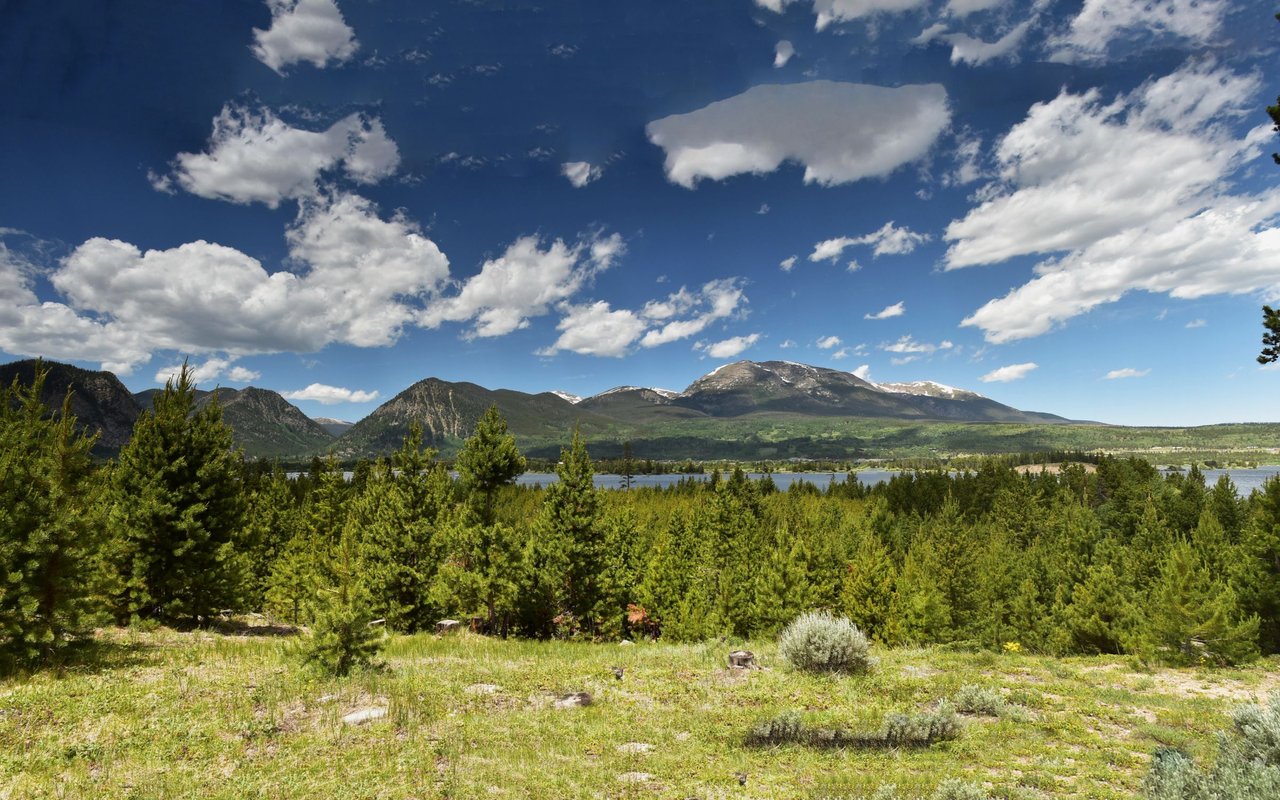
Morrison is not a remote alpine town. It is better understood as a close-in foothills retreat with a distinctive identity and a small-town scale. Colorado’s tourism office describes it as being at the bottom of Bear Creek Canyon and about 30 minutes from downtown Denver.
That location is a big part of the appeal. You can be close enough to the metro area for work, errands, and social plans while still feeling removed from the pace of the city. If you want a lifestyle shift without a full disconnect, Morrison offers that middle ground.
Small size shapes daily life
Morrison is truly small. The ACS 2024 estimate puts the population at 412, and the town spans about 1.6 square miles of land. The town museum also notes that Morrison has fewer than 425 residents.
That small scale influences almost everything, from housing availability to street activity to the overall rhythm of the community. Instead of broad subdivisions or large residential tracts, you are looking at a niche market with a much more limited housing supply.
Housing in Morrison is limited and distinct
If you are considering Morrison, it helps to set expectations early. Census data shows just 151 housing units and 137 households, which supports the idea of Morrison as a limited-inventory market. This is not the kind of place where you should expect a wide range of active listings at any given time.
The town’s land-use code also points to a lower-density pattern. Morrison includes districts such as Rural Residential, Residential Estate, Low-Density Residential, Medium-Density Residential, Historic Downtown, and Mixed Use Neighborhood. Rural residential and estate areas are intended for low-density or large-lot use, while the Historic Downtown district is designed to preserve the historic core and allow a mix of residential and commercial uses.
For you as a buyer, that often means the housing search is less about volume and more about fit. A home in Morrison may appeal because of lot size, setting, access to trails, or proximity to downtown and Red Rocks. The right property can feel highly personal, which is part of why this market tends to attract lifestyle-driven buyers.
The numbers suggest a mature market
The demographic picture in Morrison reads differently than a typical entry-level suburban market. Census Reporter shows a median age of 59.4, a median household income of $122,083, and a median owner-occupied home value of $875,000.
Those figures suggest a community with many established homeowners and a more measured pace of turnover. The same data shows that 19.2% of residents moved in the prior year, so Morrison includes both long-term owners and newer arrivals. If you are hoping for a place that feels settled rather than constantly shifting, that may stand out.
Outdoor access is a major draw
For many buyers, Morrison’s biggest advantage is how quickly outdoor recreation becomes part of everyday life. The town’s identity is closely tied to geology, fossils, and open space. Morrison’s parks page highlights the Time Trail, a half-mile interpretive trail with five stations that connect today’s landscape to nearly two billion years of geologic history.
That local character extends beyond town limits into the surrounding Jefferson County Open Space system. Mount Falcon Park, located in Morrison, offers multiple trails and historical sites, including Castle Trail, Tower Trail, and Turkey Trot Trail. Nearby Meyer Ranch Park offers meadow and forest walks, aspen groves, plus winter cross-country skiing and sledding. Matthews/Winters Park provides trail access toward Red Rocks and Dinosaur Ridge.
If your ideal week includes early morning trail time, weekend hikes, or simply living near protected open land, Morrison makes that easier. In that sense, the town can absolutely feel like a retreat, even if your workweek still connects you to Denver.
Red Rocks shapes the lifestyle
Red Rocks is one of Morrison’s biggest anchors. The official site says Red Rocks Park is open year-round from one hour before sunrise to one hour after sunset, with free admission and parking for the park, amphitheatre, visitor center, and trading post on non-ticketed visits.
That gives you access to one of Colorado’s most iconic public spaces as part of normal life, not just concert nights. You can visit for views, walks, and the setting itself. For many people, that is a meaningful lifestyle benefit that few other communities can match.
At the same time, proximity to Red Rocks comes with practical considerations. On event days, the amphitheatre often closes around 2 p.m. for sound checks and operations. The venue also recommends arriving early because parking lots open two hours before doors, and improperly parked vehicles can be ticketed or towed.
Commute reality matters
If you are working in Denver, Morrison can be realistic for commuting, but it is smart to look past the headline travel estimate. The town’s directions page says Morrison is only 25 minutes west of downtown Denver using C-470 and Colorado Highway 8.
Real life can stretch that. ACS-derived data shows a mean travel time to work of 34.2 minutes, which suggests that actual commutes often run longer than the simple marketing shorthand. Rush-hour traffic, weather, and foothills driving all matter.
This is one of the biggest questions to ask yourself. Do you want a home that feels more removed and scenic, even if the routine takes a little more planning? If the answer is yes, Morrison may be worth the trade.
Weekend access keeps improving
A useful lifestyle detail is the Westracks shuttle. Beginning Memorial Day weekend 2026, the seasonal shuttle is scheduled to run on Saturdays, Sundays, and holidays through Labor Day. Service is expected roughly every 15 minutes between Golden Station, Matthews/Winters Park, Dinosaur Ridge, the Red Rocks Trading Post, Downtown Morrison, and the Morrison Natural History Museum.
For visitors and residents alike, that could make weekend access easier and less stressful during busy periods. If you value the ability to enjoy the area without always driving between stops, this is a helpful addition to know about.
Who Morrison fits best
Morrison tends to make the most sense for buyers who are choosing lifestyle first. If you want a quieter setting, lower-density surroundings, strong outdoor access, and a home base that feels scenic and distinctive, Morrison checks a lot of boxes.
It may be especially appealing if you are comparing Denver-area living with something that feels more grounded in nature but still connected to the metro. It also fits buyers who appreciate historic character, a small housing pool, and a market where homes often feel unique rather than interchangeable.
On the other hand, Morrison may feel less ideal if you want a large selection of homes, quick suburban convenience, or a very predictable commute. The same features that make it special also make it more specific.
Is Morrison your mountain retreat?
If by “mountain retreat” you mean an alpine resort town far from the city, Morrison is not that. But if you mean a close-in foothills town with scenic surroundings, trail access, historic character, and a daily rhythm that feels calmer than Denver, Morrison makes a strong case.
For the right buyer, that balance is exactly the point. You are not choosing total separation from Denver. You are choosing a different way of living nearby, with open space, geology, music, and foothills beauty shaping the experience.
If you are weighing Morrison against Denver neighborhoods or other foothills communities, working with a team that understands both lifestyle and market fit can make the decision much clearer. The McCarthy Lifestyle Group can help you evaluate whether Morrison aligns with your goals and the way you want to live.
FAQs
Is Morrison, Colorado close enough for a Denver commute?
- Morrison is often described as about 25 minutes from downtown Denver, but ACS-derived data shows a mean travel time to work of 34.2 minutes, so your actual commute may be longer depending on traffic, route, and time of day.
Is Morrison, Colorado a true mountain town?
- Morrison is better described as a close-in foothills retreat rather than a remote alpine mountain town, with scenic access and outdoor lifestyle benefits while staying relatively near Denver.
What is the housing market like in Morrison, Colorado?
- Morrison is a small, niche housing market with 151 housing units and 137 households reported in ACS 2024 five-year data, so inventory is limited compared with larger suburban communities.
What outdoor activities are available in Morrison, Colorado?
- Morrison offers access to the Time Trail, Red Rocks Park, Mount Falcon Park, Meyer Ranch Park, and Matthews/Winters Park, which support hiking, sightseeing, and seasonal recreation.
How does Red Rocks affect daily life in Morrison, Colorado?
- Red Rocks adds major lifestyle value through year-round park access, but event days can also bring earlier amphitheatre closures, heavier traffic, and parking challenges.
Who is Morrison, Colorado best suited for?
- Morrison tends to fit buyers who want a quieter, scenic, low-density foothills setting with strong access to trails and Denver, and who are comfortable with limited inventory and some commute variability.