Buying a second home in Breckenridge can feel exciting and complicated at the same time. You may be dreaming about ski days, summer weekends, and a place that supports your Colorado lifestyle, but you also need to understand pricing, location, rental rules, and long-term ownership costs. This guide will help you cut through the noise so you can evaluate the Breckenridge second-home market with more clarity and confidence. Let’s dive in.
Why Breckenridge Draws Second-Home Buyers
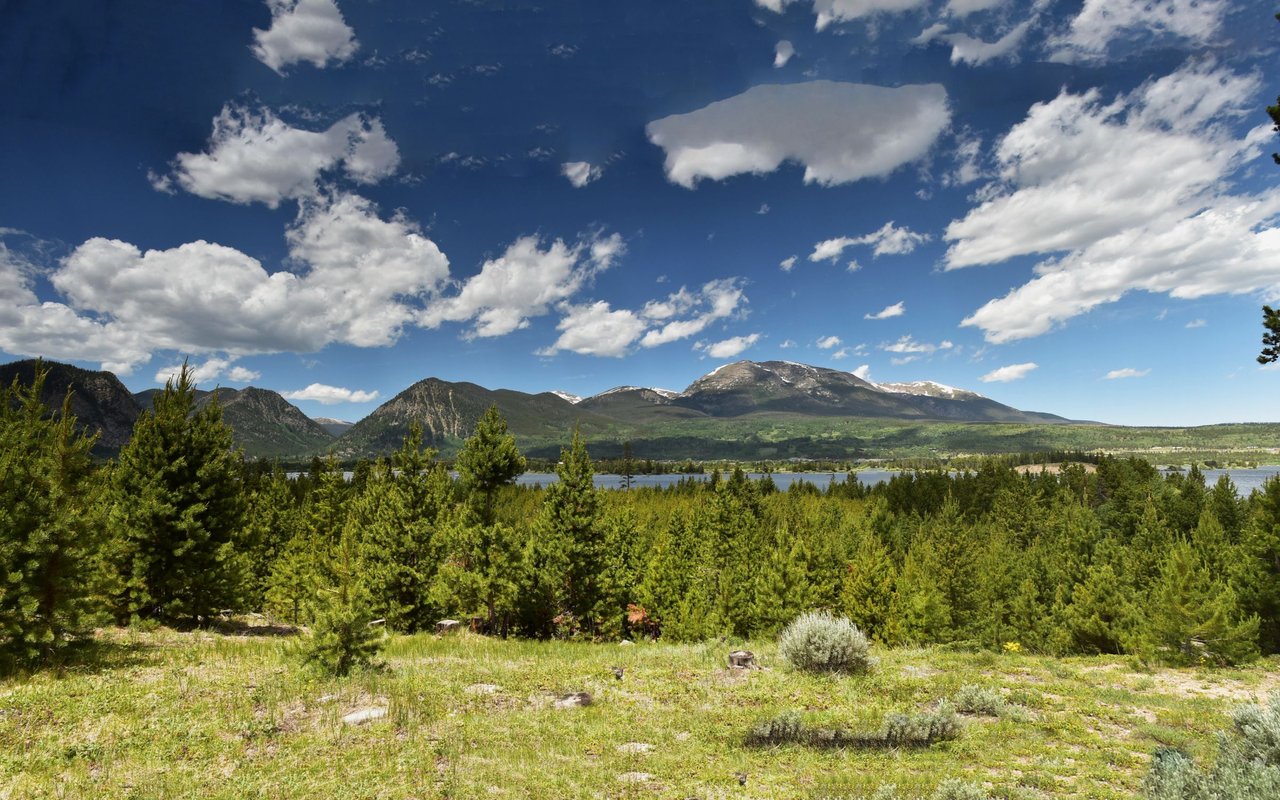
Breckenridge offers a rare mix of mountain access, walkable areas, and strong year-round appeal. The town has a permanent population of about 4,863, but peak periods can climb above 39,000 during winter ski season and summer holidays. That seasonal swing shapes everything from home demand to maintenance planning.
The ski experience is a major part of the draw. Breckenridge Resort reports 2,908 skiable acres, 35 lifts, 187 trails, a base elevation of 9,600 feet, and average snowfall of 355 inches. Ski-to-town access via 4 O'Clock Run adds to the appeal for buyers who want convenient mountain access.
Buyer demand also comes from well beyond town limits. A May 2026 countywide market report showed 29% local buyers, 30% Front Range buyers, and 40% out-of-state buyers. While that is countywide rather than Breckenridge-only data, it supports what many second-home shoppers already sense: this is a lifestyle-driven market with many non-local buyers.
Breckenridge Market Snapshot
Breckenridge remains one of the higher-priced markets in Summit County. Redfin's May 2026 data show a median sale price of $1,144,315 and average days on market of 41. Realtor.com shows a median listing price of $1,299,500 with 339 homes for sale.
For context, Summit County overall sits at a lower median listing price of $958,000 with 934 homes for sale. That makes Breckenridge a premium submarket within the county. In practical terms, buyers often need to pay close attention to product type, location, and town rules because those factors can have an outsized impact on value.
Choosing the Right Property Type
Your best fit often starts with how you plan to use the home. In Breckenridge, condos, townhomes, and single-family homes each offer a different ownership experience. The right choice depends on your priorities, not just your budget.
Condos and Townhomes
If you want a simpler lock-and-leave setup, condos and townhomes may be worth a close look. Summit County's 2023 housing needs assessment shows townhomes are generally about 500 to 700 square feet smaller than single-family detached homes, and large multifamily units in town average about 850 square feet.
These smaller formats can be a practical match for part-time owners who want easier upkeep. They may also appeal if your focus is access and convenience rather than maximum square footage. Parking and storage can vary, so it helps to review those details early.
Single-Family Homes
Single-family detached homes tend to offer more room, privacy, and flexibility. The same housing assessment shows a median size of 2,339 square feet and an average size of 2,515 square feet for single-family detached homes in Breckenridge.
Garages are also more common in single-family homes and townhomes. For second-home buyers, that can matter more than it seems at first, especially when you think about gear storage, snow management, and year-round usability.
Why Location Matters So Much
In Breckenridge, location is not just about scenery or convenience. It can affect your day-to-day experience, future resale, and whether a property may qualify for short-term rental use. Two homes that look similar online can come with very different rules and trade-offs.
The town identifies several distinct areas and frameworks, including a Resort Properties Zone, a Tourism Zone, the downtown core, and residential areas. The Downtown Overlay District is intended to preserve the commercial character of Main Street and nearby blocks and generally limits new ground-floor residential uses.
That means you should look beyond the listing photos. A home's location may affect walkability, ski access, quieter residential character, and rental eligibility. If you are comparing properties, parcel-level due diligence matters.
Think About Future Plans
Location also matters if you may remodel or expand later. The town's planning guidance emphasizes preserving diversity in home size, type, and architecture, and it flags oversized replacements that can compromise neighborhood character.
If your long-term plan includes updates, additions, or a major rebuild, you will want to understand those limits before you buy. A home that works well today may not support the same vision you have five years from now.
Understand Seasonality Before You Buy
Breckenridge is highly seasonal and tourism-driven. That creates great lifestyle value for many owners, but it also changes how you should think about ownership.
Peak periods can affect travel timing, availability for showings, and service scheduling. If your home may sit vacant for stretches, you also need a plan for weather, access, and regular check-ins. Mountain ownership usually works best when you plan for the quiet weeks as carefully as the fun ones.
The town's tourism office monitors about 2,900 of Breckenridge's 4,100 licensed lodging units. That helps show how closely the local housing ecosystem is tied to visitor lodging and seasonal patterns.
Short-Term Rental Rules to Know
If you may rent your second home, the rules should be part of your home search from the start. In Breckenridge, a short-term rental is a residential dwelling unit, or any room within it, leased for less than 30 consecutive days.
The town requires a valid license for each rental property. Licenses are non-transferable when a property sells, and license numbers must be displayed in advertising. The town also states that licenses are available only in certain areas.
This is one of the most important reasons not to assume that a property can be rented just because a nearby property is rented. Zone, license availability, and HOA rules can all affect the answer.
Fees and Operational Requirements
Breckenridge's current fee structure includes an annual license fee of $75 to $175 depending on unit size, plus an annual regulatory fee of $756 per bedroom or studio. The town also notes that the regulatory fee is not imposed when the unit is the license holder's primary residence and is rented no more than 21 days per year.
The town requires a responsible agent to be available 24/7 and respond within 60 minutes to complaints. Individual HOAs may also have their own short-term rental covenants and restrictions. Before you write an offer, it is smart to confirm both town and HOA rules for the specific property.
Plan for Real Ownership Costs
The purchase price is only part of the math. A second home in Breckenridge may come with transfer taxes, license fees, lodging taxes, and ongoing management costs that change the ownership picture.
At closing, the Town of Breckenridge imposes a 1% real estate transfer tax on all transfers of property located in town unless a specific exemption applies. The buyer or grantee is responsible for that tax.
If the property is rented for stays of less than 30 days, the town says owners must collect sales tax and public accommodation tax. The town's lodging tax page lists a 12.275% total lodging tax breakdown for condo rentals under 30 days. Owners collecting accommodations tax must also have both an Accommodation Unit License and a Colorado Sales Tax License.
Don't Overlook Maintenance and Management
Part-time ownership in a mountain town usually requires more coordination than buyers expect. Summit County's Good Neighbor Guidelines for short-term rentals emphasize 24-hour responsible-agent contact, wildfire safety, wildlife awareness, indoor trash storage, parking discipline, and quieter behavior after 9 p.m.
The guidelines also note that portable outdoor fireplaces are prohibited and that fire restrictions may apply depending on conditions and time of year. Even if you plan only occasional rental use, these rules help illustrate what active ownership can involve.
For many buyers, the practical checklist includes:
- Snow removal
- Winterization
- Trash service
- Routine inspections
- Guest coordination if rented
- Fast response when a problem comes up
If you live out of town, it helps to decide early who will handle those responsibilities when the home is vacant.
Key Questions to Ask Before You Offer
A great second-home purchase usually comes down to fit. That means matching the property to how you want to use it now and how you may want to use it later.
Before you move forward, ask these questions:
- Is the property inside Breckenridge town limits or governed by Summit County rules?
- Is a new short-term rental license available in that zone, or is the area capped or waitlisted?
- Does the HOA allow short-term rentals, and what parking rules apply?
- Who will handle snow removal, winterization, trash, inspections, and guest response?
- Is your long-term plan personal use only, occasional rental, full-time vacation rental, or eventual resale?
These answers can have a major effect on cost, convenience, and long-term value. In a premium market like Breckenridge, clear planning often matters just as much as timing.
A Smarter Way to Buy in Breckenridge
A Breckenridge second home can be a meaningful lifestyle purchase, but the best decisions come from looking at the full picture. Price matters, but so do zoning, rental rules, HOA restrictions, seasonality, and the realities of owning a home in a high-demand mountain market.
When you take the time to align the property with your goals, you are far more likely to end up with a home that works well for how you actually live. If you want thoughtful guidance as you compare condos, townhomes, or single-family homes in Breckenridge, The McCarthy Lifestyle Group can help you evaluate your options with clarity and confidence.
FAQs
What is the median home price in the Breckenridge real estate market?
- Redfin's May 2026 data show a median sale price of $1,144,315 in Breckenridge, while Realtor.com shows a median listing price of $1,299,500.
What counts as a short-term rental in Breckenridge?
- The Town of Breckenridge defines a short-term rental as a residential dwelling unit, or any room within it, leased for fewer than 30 consecutive days.
What short-term rental fees should Breckenridge second-home buyers expect?
- The town lists an annual license fee of $75 to $175 depending on unit size, plus an annual regulatory fee of $756 per bedroom or studio, subject to the town's stated exception for certain primary-residence rentals.
What tax does a buyer pay at closing on a Breckenridge property?
- The Town of Breckenridge imposes a 1% real estate transfer tax on property transfers in town unless an exemption applies, and the buyer or grantee is responsible for that tax.
Why does location matter so much when buying a second home in Breckenridge?
- Location can affect lifestyle, walkability, ski access, residential character, and whether a property may qualify for short-term rental use under town zoning and licensing rules.
What type of Breckenridge property is best for a lock-and-leave second home?
- Many buyers find condos and townhomes easier for lock-and-leave ownership because they are generally smaller than single-family homes and may involve a simpler day-to-day setup.